
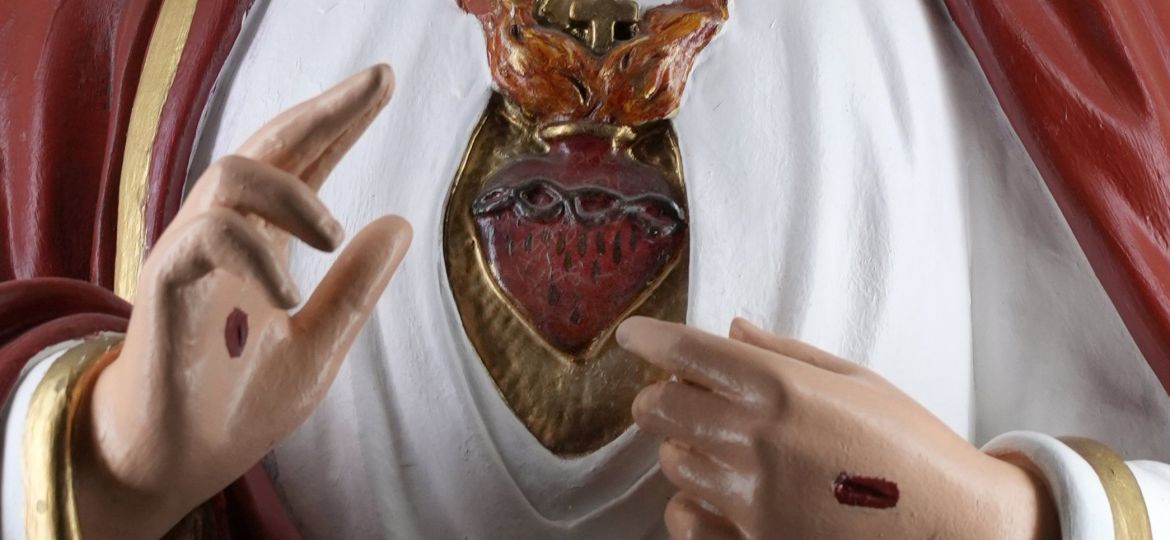
Imagine being born in 1182, at a time when you could happily spend your whole life in the same community. But while you are a child, a shipwreck takes away the money your father had intended to be your dowry, and so, while you are at the age of 12 your parents decide, at least for the moment, to send you away to a convent for an education. There’s no way to phone home, and instead of being with your family and friends, you have to follow the strict schedule of some nuns. As a child, you don’t want to become a nun, and instead you care a lot about what you look like and about impressing potential suitors. After all, until that shipwreck took your dowry, you were hoping to get married relatively soon.

Do you ever feel like you are going through the motions without passion as you carry out your responsibilities? At times, we all can — even monks.
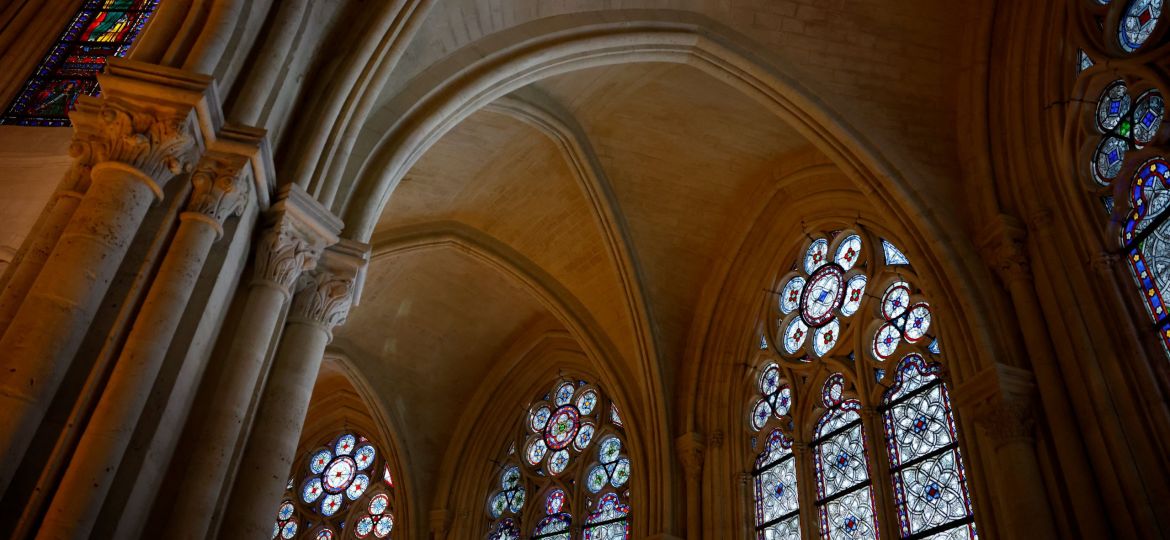
Every morning, monks and nuns — and many lay people — arise early for morning prayer. The Latin name for this prayer, “laudes,” means “praises.” Often the psalms that make up morning prayer are indeed full of expressions of praise. One has inspired in me a reflection on the liturgy. Here are the initial verses of Psalm 63.

We have all surely experienced how difficult it can be to engage socially and politically as Catholics. Our faith pushes us into the uncomfortable position of prophetically challenging all political parties and calling everyone to conversion.
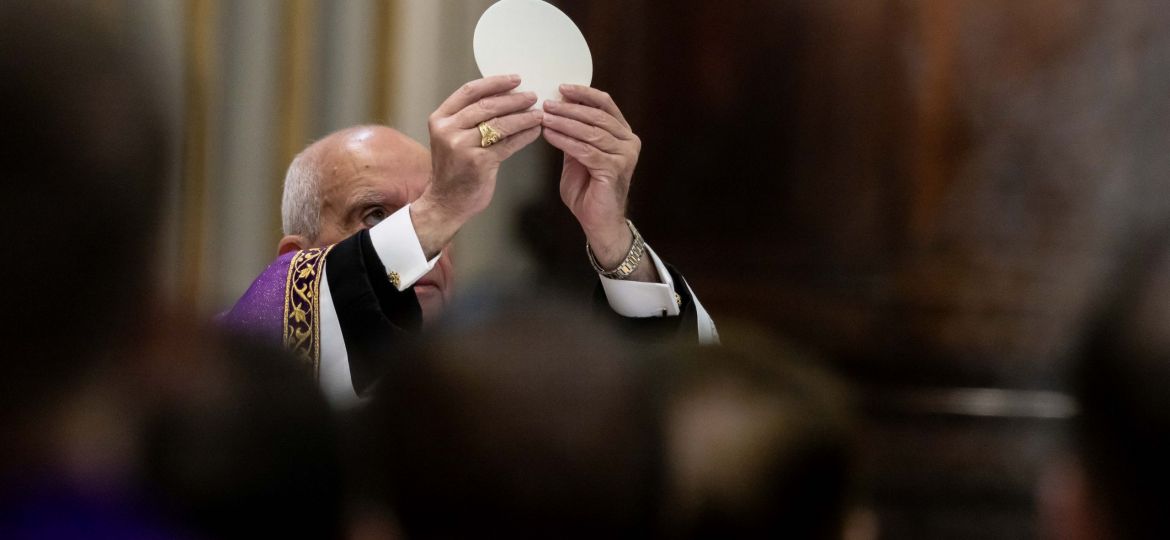
Discerning whether to offer or receive Communion can be a challenge, spiritually and pastorally; but such discernment can always also be fruitful.

I recently enjoyed a wonderful apocalyptic novel, “Lord of the World,” by the British author and priest, Robert Hugh Benson. I was excited to read this book because I learned that recent popes (such as Benedict XVI, Francis, and Leo XIV) have spoken about it as a prophetic reflection of our times.

With Thanksgiving Day coming up, and given the social climate in our country, I am moved to reflect on the connection between love and criticism.

As Catholics, how should we imagine our relationship with the world? We often talk about “walls” and “doors” and “bridges” to explain how the Church should either connect to the world for the sake of evangelizing it or separate herself from the world for the sake of remaining faithful to God.

Rod Dreher’s “The Benedict Option” (2017) has been on my list of things to read for a long time. As a Cistercian monk rooted in the Benedictine tradition and apostolically engaged as a priest and teacher, I basically felt like it was required reading, given how often people refer to it.

I recently read a book about discernment and the spiritual life that I’d recommend to just about anyone but especially to the young: Stacey Sumereau, “Adventure Awaits: How to Interpret Your Desires and Hear God’s Voice” (Ave Maria Press, 2025). It is short and divided into bite-sized sections filled with stories, explanations, and spiritual exercises. It is written in a friendly style and rooted in Catholic faith.